

A Future Waiting to Be Born: Nepal’s Gen Z and the Unfinished Dream
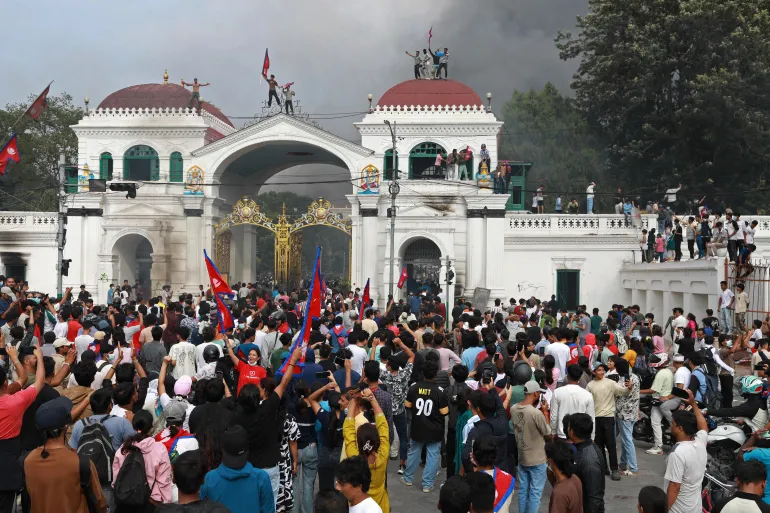
Dust rose from the crowded streets as young Nepalis marched, chanting for change, for justice, for a voice in shaping their future. Every step carried the weight of a generation’s hope, but also the question of responsibility. Beyond the protests lies an even greater challenge: transforming this moment into a thriving modern economy. If Nepal fails to act now, the chance to reach new heights of prosperity may slip away forever. The streets of Kathmandu roared last week with voices that refused to be silenced, young faces glowing with determination, banners raised high, and phones capturing every moment of defiance; the protest was more than a fight against restrictions, it was a call for a future the youth can believe in.
It’s high time we start believing that a protest alone cannot build a nation, and while the energy of Nepal’s youth is undeniable, it needs direction. The voices that echoed in the streets must now translate into tangible action, a vision for an economy that is resilient, modern, and inclusive.
Understanding the challenge is the first step, yet knowledge without action is futile. To bridge the gap between potential and reality, Nepal must start with its greatest resource: its people. Education and skill-based training should not be luxuries but the foundations upon which a modern economy can rise. Education must prioritize critical thinking, problem-solving, and civic awareness so students learn to question, innovate, and make informed decisions rather than merely memorize facts. This means incorporating digital literacy, entrepreneurship, and financial education from early grades, introducing project-based learning, debates, and simulations that encourage decision-making, and training teachers to inspire curiosity, creativity, and confidence.
Education shapes minds, but skills shape futures. Knowledge must meet practical application—it is not enough for students to understand concepts; they must be equipped to act, create, and lead. Nepal must foster a culture of skill, innovation, and opportunity through vocational training in trades, IT, engineering, and services; entrepreneurship hubs and mentorship programs to turn ideas into businesses; lifelong learning and upskilling to keep pace with global industries; and partnerships between industries and educational institutions for internships and apprenticeships. Combining education with skill-based training empowers a generation that can think critically, decide wisely, and act decisively, turning the energy that erupted in Kathmandu’s streets into innovation, leadership, and economic transformation.
The Gen Z protest was not just a fight against restrictions—it was a wake-up call for the nation, a rare opportunity for Nepal to modernize its economy by equipping its citizens with knowledge, skills, and a mindset to succeed in a fast-changing world. At the end of the day, Gen Zs simply want what any generation has longed for: change and betterment for their country. Now, the streets have spoken, the spark is there, and it is time to turn vision into action, protest into progress, and energy into economic transformation. Nepal’s future depends on what it does next: investing in education, empowering its youth, and building skills that matter so the nation can finally rise to its potential. The question is no longer whether change is needed—it is whether Nepal is ready to act.